
Moroccan Hash
Moroccan Commercial Hash – The Timeless Standard in Hashish Craft
In the global lexicon of hashish, Moroccan Commercial Hash looms large, the name spoken without fanfare. The Rif Mountains loom in the collective memory of cannabis aficionados, legendary as the birthplace of the continent’s finest pressed resin. Here, the interplay of sun, soil, and old cultivation texts creates material that marries the immediate and the first strike of memory: earthen, balanced, and still unpretentious after all these decades. The hash strains, consulted as if they were taqsim-inspired poems, yield the kind of stone that lingers, not empties.
Fruit of Continuity
Up and down the terraced slopes of the Rif, cannabis blooms and the seasons repeat. Villagers first grew the plant for rituals (or unseen absences), but the 1950s reconception of Europe’s urban appetite altered that modest narrative. The Tablets of Locs Board Sales, to use a modern moniker, opened riot half the souk of the continent. What began as an informal, inward exchange turned into a patented Moroccan ancè, idle Boukfung to Amsterdam’s Ámsterdam.
Even today, the hashish is lifted and pressed with wraplog under spring sunshine, not with machines or metallic dreams. Carry it with the colored threaded fabric in a jujj online of the Berber, and the chakiyis speak of restless times, of goats, grinding, and mint tea. Every bar, labeled machine or handcrafted, is a letter to history still being rewritten and carried in side-pocket.Production Process
The signature of Moroccan Commercial Hash lies in its time-honored craftsmanship. The process begins with mature cannabis plants being hand-harvested and hung to dry. Once sufficiently cured, buds and leaves are gently sifted through a series of fine screens to dislodge the delicate trichomes.
The powder that collects, dusted with shimmering resin, is called kief. Without solvents or machines, the kief is piled, slightly moistened with warmth from the palms and heated plates, and then compacted with a hydraulic press. The result is a compact slab of aromatic resin, shiny and dense. The simplicity of this technique stands in contrast to modern hydrocarbon or CO2 spins, deliberately retaining a rustic, organic flavor that bears the profile of Moroccan sun and highland air.
Appearance and Texture
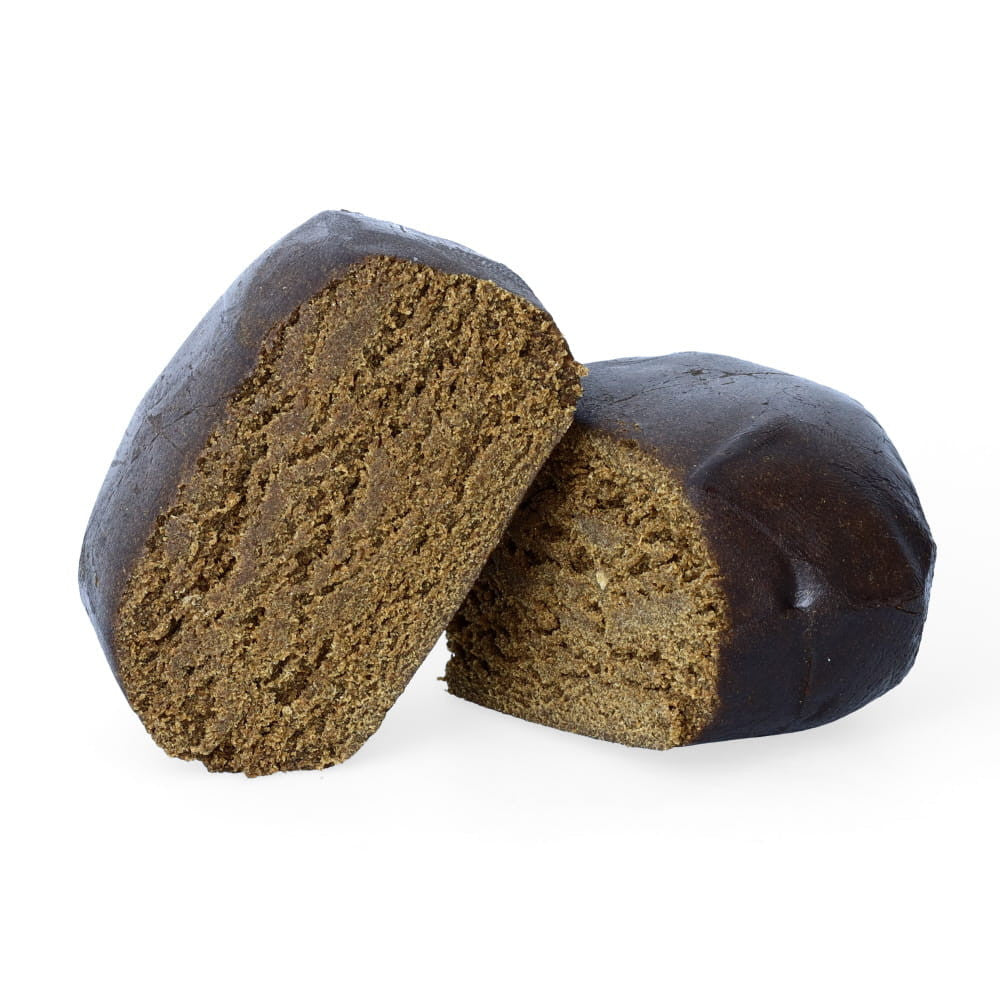
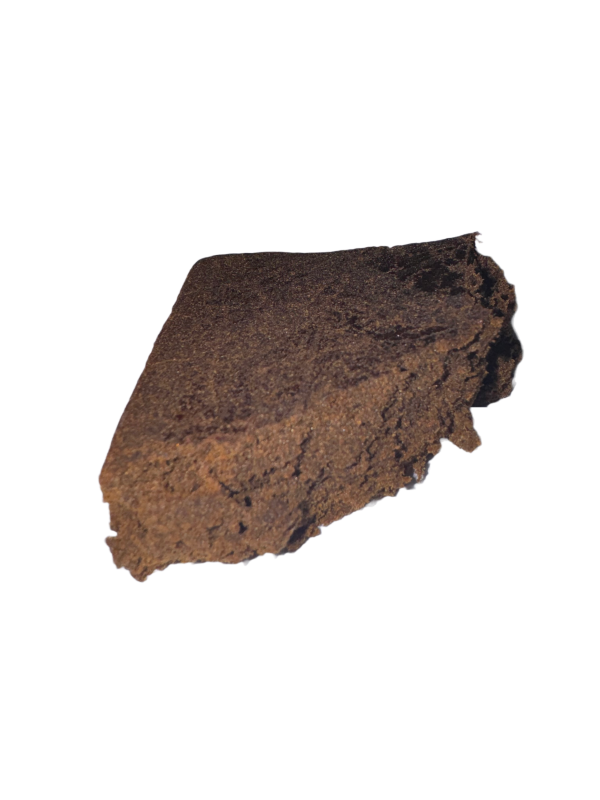
Commercial Moroccan Hash is recognized by its spectrum of mahogany to sepia hues, flecked with mica-like trichome reflections. Freshly pressed, the surface displays a satin sheen, gently yielding beneath gentle thumb pressure to release a warm, powdery fragrance. A particular batch may be buttery and pliable with veins of reddish oil, while another border on brittle, crumbling with a brisk snap yet still carrying a backdraft of resinous scent.
Exposed edges soon develop a warm, leathery patina, yet a thin, concealed slice will glimmer with lighter amber, hinting at its sunlit sediment of the Moroccan foothills. The pliable slab is charmlessly ergonomically, crumbling easily into a fine dust to be rationed into a slender cigarette, co-mingled with grassy flower in a one-hitter, or packed, whole, into a carved darj.
Flavor and Aroma
What stands out in Moroccan Commercial Hash is its unmistakable flavor hallmark. The scent is a blend of rich earthiness, warm spices, and green herbs, accented by a soft hit of cedar and a whisper of cracked black pepper. Once inhaled, it rolls in cool and creamy, a relief to the throat rather than a burn, revealing a mild, settled taste that stays true to the original plant without intrusion.
No single element steals the show; the bouquet has the kind of modest sophistication that veteran users link straight to the time-honored art of pressing.
Potency and Effects
In the context of today’s sky-high concentrates, Moroccan Commercial Hash sits comfortably in the middle tier. Its THC usually hovers between 20% and 30%, high enough to scratch the itch of potency but low enough to avoid the abrupt jolt visitors sometimes get from flashier extracts.
The resulting high usually unfolds like this: a slow, reassuring surrender through head and shoulders; a gentle spark of euphoria that folds into a pleasant blanket of calm; and, in the Polish of the finish, a mild sinking that nudges rather than pins, clearing racing thoughts and smoothing the descent to sleep. It’s this equilibrium that makes the hash as happily dispersed in a lively circle of friends as it is enjoyed solo, a quiet nod toward the hassle-free ease that defines its lineage.
Medical Benefits
Beyond its enjoyment, Moroccan Commercial Hash can offer therapeutic comfort. Its gentle mellow carries specific advantages for everyday discomfort: Nurturing anxiety with soft relief, easing the shoulders after a stressful day, quieting mild insomnia that fades just after dusk, soothing aching muscles, and rekindling a fading appetite. Because the effect is measured, it grants cozy comfort while sparing people the heaviness that can linger for hours.
Cultural Significance and Popularity
For generations, Moroccan Commercial Hash has circled the planet and settled comfortably into European social life. Packaged as portable, thumb-sized blocks, the amber cubes began appearing in cafés and living rooms long before single-origin oils and wrapped cartridges. Even with a flood of flashy new products, the mora-cola block remains the quiet champion among euro hipsters and elder bohemians who trust its deep-rooted reputation and welcome its familiar texture.
Final Thoughts
More than a commodity, Moroccan Commercial Hash is a living relic of craft and communal storytelling. Its mild, nutty aroma and unwavering potency serve as an invitation to step sideways into the past: the same khaki tiles steaming in old medina cafés, the same wooden pistils grinding in open kitchens, the same traveler piecing together a cross-continental tale in the amber dusk. For those who value memory over marketing, it is still the safe passage between now and the timeless, and it secures its place at the next uncertain fireside regardless of what the future mint-green novelty injections may hold.

| Choose an option | Eighth/s(3.5 Grams), Half Oz (14 grams), Ounce/s(28 Grams), 2 oz (56g) |
|---|
Be the first to review “Moroccan Commercial Hash – 5g”
Related products

FLOWER

FLOWER

Disposable Vape

FLOWER

FLOWER

FLOWER

FLOWER

FLOWER
Reviews
There are no reviews yet.